 Contact: +86 189 4818 7408
中文
 Contact: +86 189 4818 7408
中文


During Black Friday, cross-border sellers are primarily focused on order growth. However, once the peak season concludes, a different issue often emerges: are consumers actually satisfied with their purchases?
A survey by SweepsPulse reveals that 43% of consumers who shopped during Black Friday regretted their purchasing decisions within a week. The survey indicates that the average value of these "regretted" purchases is approximately $214 per person, leading to an estimated $19 billion in "Black Friday buyer’s remorse." It is important to note that this $19 billion figure is an estimate based on survey data, not the actual total value of Black Friday returns in the United States.
More significantly for sellers, another data point stands out: regretting a purchase does not necessarily lead to a return.
The survey shows that only about 38% of consumers who regretted their purchases actually chose to return the items. In other words, a large number of products that consumers felt were "mistaken purchases" never made their way back to the sellers.
Why does buyer’s remorse not always result in a return?
From a seller’s perspective, the return rate is a key metric for gauging post-sale pressure during peak seasons. Estimating how many items out of every 100 sold might be returned—and determining the operational capacity required to handle those returns—is relatively straightforward.
However, actual consumer behavior is often far more complex than what a "return rate" suggests. While some consumers return items because they are the wrong size or fail to meet expectations, others—despite feeling regret—choose to keep the products due to the hassle of the return process or the time investment required. Still others may decide that, while they don’t really need the item, it might still be "useful enough" to keep; consequently, they neither file a complaint nor initiate a return.
Therefore, an order that is not returned does not necessarily imply that the consumer is fully satisfied with their purchase. This offers a fresh perspective for cross-border sellers: while return data tells a seller how many items were sent back, it cannot fully reveal how many consumers experienced regret regarding their purchase.
Why are electronics and apparel more prone to "buyer’s remorse"?
According to the survey findings, electronics, apparel, and footwear are the product categories most likely to trigger buyer’s remorse.
This is directly linked to the specific nature of the Black Friday shopping environment. During major promotional events, discounts, limited-time offers, and countdown timers accelerate consumer decision-making. Many shoppers, who may not have had a clear intent to purchase, end up placing orders driven by the fear of missing out—the "buy now or lose the chance" mentality.
For electronics, issues often arise after the purchase. Consumers might re-evaluate prices and specifications, realizing that the product they bought isn't the best fit; or, once the initial excitement fades, they may conclude that the item wasn't actually a necessity.
With apparel and footwear, the gap between expectations and the actual experience is even more common. A product that looks great in photos may not look the same when worn; size charts may not fully account for individual body variations; and factors like color, fabric, or the intended use case might only become apparent—and influence the consumer's judgment—once the item arrives.
This is why, for these product categories, "increasing conversion rates" shouldn't be the sole objective for a product page. Sellers must also consider whether the product, upon arrival, aligns with what the consumer envisioned when they placed the order.
For sellers, there are essentially two key areas to address following a peak sales season.
The first is how to minimize "buyer's remorse."
While sellers naturally leverage promotions and marketing to drive conversions during events like Black Friday, product information must be crystal clear. Is the sizing information accurate? Is there a significant discrepancy between the main product image and the actual item? Does the product description create unrealistic expectations? While these issues may seem like front-end operational concerns, they ultimately impact back-end performance.
If a consumer finds a major gap between their expectations and the actual product, the outcome is almost always one of two things: a return, or the consumer keeping the item while having a negative experience.
Therefore, when reviewing performance after a peak season, sellers should look beyond the raw return rate and examine the specific reasons for returns and consumer feedback. Which products are frequently returned due to sizing issues? Which product listings often trigger complaints about the item "not matching the description"? Analyzing these details—rather than just looking at the total number of returns—can be far more effective in helping sellers reduce costs for the next peak season.
The second area concerns how to handle the products that are actually returned.
Since these items re-enter the seller's inventory flow, the efficiency with which they are processed directly impacts future costs. Once returned items arrive at a local facility (e.g., in the U.S.), they must undergo a process that includes physical inspection, inventorying of accessories, and an assessment of their current condition. Some items may require further repair, refurbishment, relabeling, or repackaging.
Naturally, not all returned products are suitable for resale. However, sellers need to ascertain the condition of these items promptly, rather than allowing returns to languish in a "returned—pending processing" state indefinitely.
Don’t just fixate on the return rate; what truly requires management are "buyer’s remorse" and the "inflow" of returns.
The traditional logic for peak seasons typically follows this sequence: estimate sales volume, project the expected number of returns, and prepare the operational capacity to handle those returns.
However, this survey offers a different, noteworthy perspective: the proportion of consumers who experience "buyer’s remorse" may be significantly higher than the proportion who ultimately complete a return.
For cross-border sellers, this means that post-peak-season operations should not be confined solely to the returns warehouse. On one hand, sellers should strive to minimize buyer’s remorse—often stemming from impulse purchases or inaccurate information—by providing precise sizing data, authentic product imagery, and clear, detailed product descriptions. On the other hand, for items that are actually returned, it is essential to expedite local receipt and quality inspection to determine their condition before deciding on the next steps.
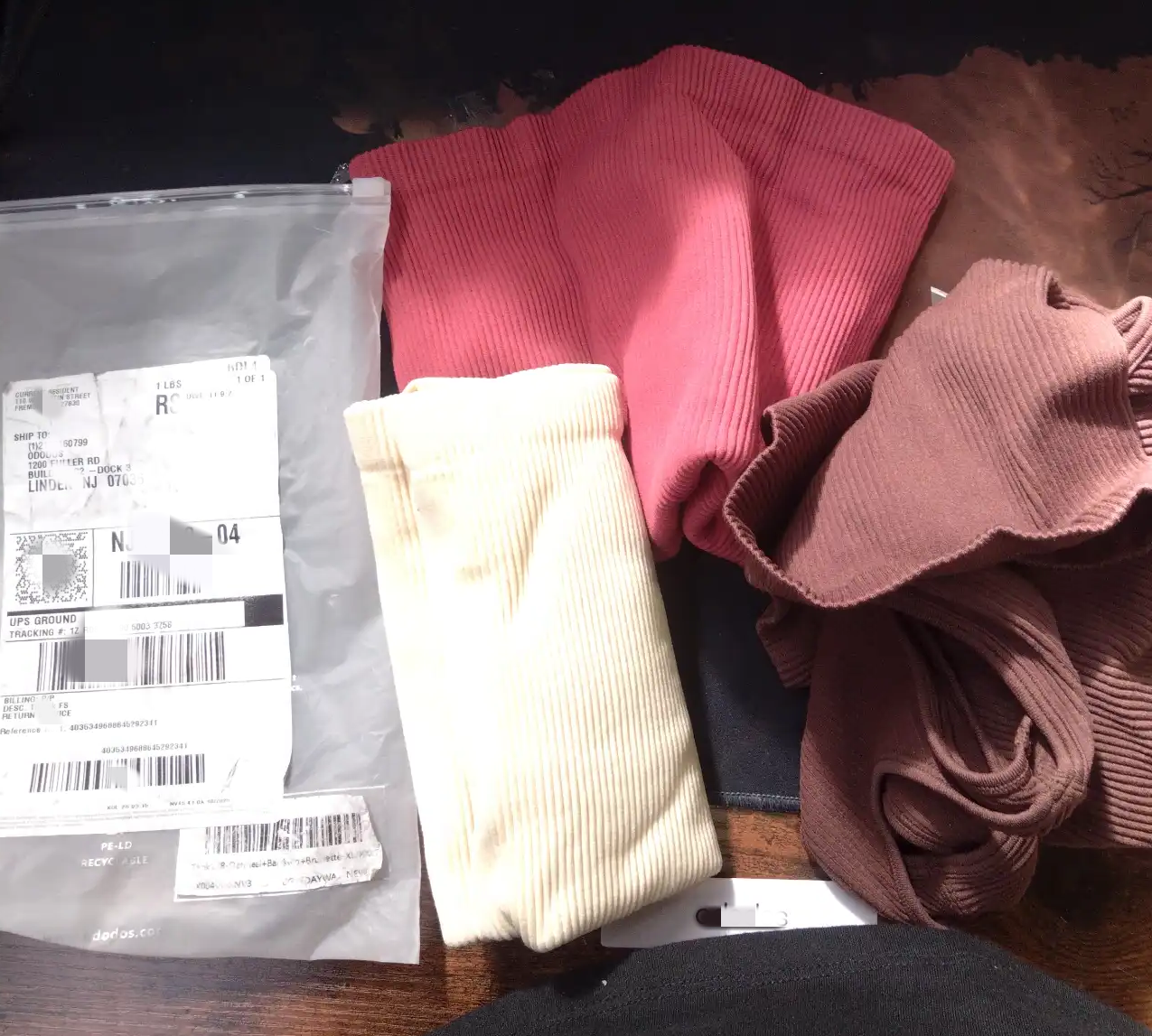
For sellers on the U.S. marketplace, U-Speed’s US returns warehouse offers services such as local receipt, quality inspection, photography, relabeling, and repackaging, enabling sellers to quickly gain insight into the actual state of returned goods. For eligible items, subsequent processing can then be arranged based on their verified condition.
Not every item sold during Black Friday results in a successful, final purchase—nor does every item necessarily end up as a return. In reality, sellers need to manage two distinct processes: reducing buyer’s remorse at the front end and enhancing the efficiency of processing returns at the back end. Viewing these two aspects in tandem provides a more accurate picture of the true operational costs following a peak season than simply focusing on a single "return rate" figure.